
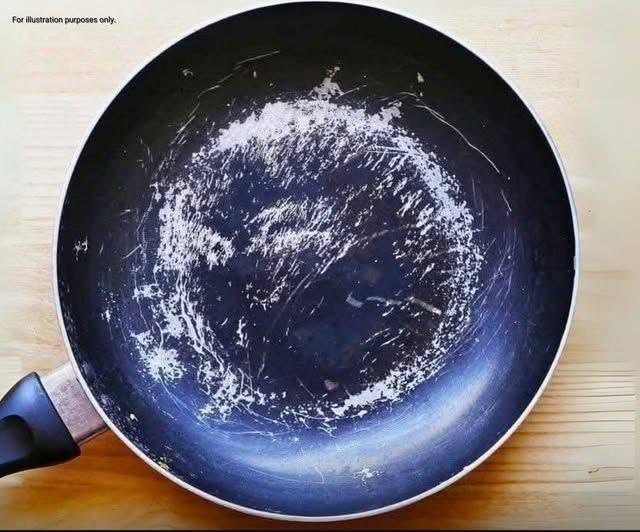
Health risks include inflammation, hormonal imbalances, and potential links to cancer, particularly for microplastics containing PFAS, known as “forever chemicals.”
Everyday activities that release microplastics from kitchen uten
ilsThis study highlights how common kitchen habits contribute to microplastic pollution:
Using metal utensils on non-stick pans
Scrubbing with abrasive sponges
Rinsing scratched pans under running water
These actions release tiny plastic particles into your food, water, and even the air in your home.
How the Study Was Conducted
The researchers simulated typical pan use and the damage it can cause:
They used controlled scratching and cooking conditions.
Imaging and Raman spectroscopy allowed them to detect and measure microplastic particles.
They analyzed damage ranging from a light scratch to complete failure of the coating.
This rigorous methodology provided unequivocal evidence of microplastic release from household kitchenware.
Other Products That Could Release Microplastics
Although the focus has been on nonstick cookware, many everyday items could release microplastics:
ADVERTISEMENT
