
Plastic coloring tablets
Food containers
Kitchen utensils and accessories
Personal care items such as brushes and combs
Any plastic item that wears out with use could contribute to microplastic pollution.
What you can do: Safer cooking starts here.
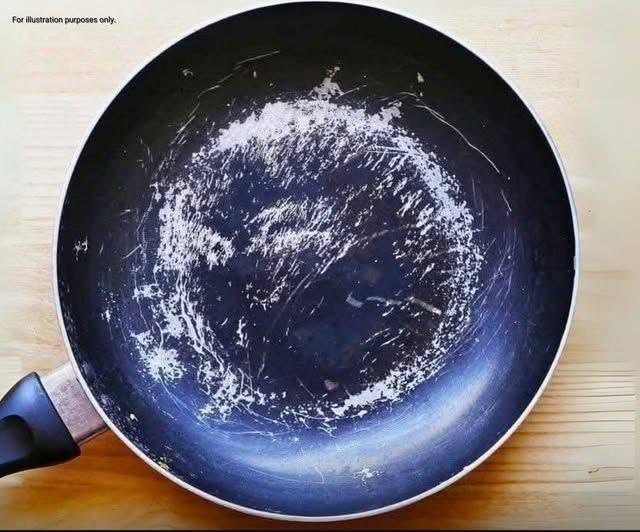
If you notice a scratch on your nonstick pan, consider replacing it, especially if you use it regularly or at high temperatures.
Practical tips to reduce exposure to microplastics:
Avoid using metal utensils on nonstick pans.
Use wooden or silicone utensils.
Wash cookware gently with soft sponges.
Switch to stainless steel, ceramic, or cast iron pots and pans for longer life.
Replace old or damaged cookware.
What about manufacturers and policies?
What about manufacturers and policies?
This study calls for:
Improved nonstick coating durability
Innovations in PFAS-free cookware
Clear labeling of microplastic risks
Possible regulatory interventions to limit household exposure to PFAS
As evidence accumulates, manufacturers and policymakers may face growing pressure to address hidden sources of plastic pollution.
The big picture: Awareness of the microplastics problem is growing.
This study is part of a broader body of research revealing how common household items contribute to a global problem. As consumers, we have an important role in reducing pollution through conscious purchasing and usage habits. For companies and governments, this is a call to action to prioritize sustainable materials and transparency.
Leave a Comm
Source:
Raman Imaging for the Identification of Teflon Microplastics and Nanoplastics Released from Nonstick Cookware, Science of the Total Environment, Vol. 851, December 2022. [Available via ScienceDirect]
Final Thought:
Scratched nonstick pans may seem harmless, but the microplastics they release can have a long-term impact on our health and the planet. With small kitchen changes and more conscious product choices, we can reduce exposure and take significant steps toward a cleaner, safer future.
ADVERTISEMENT
