
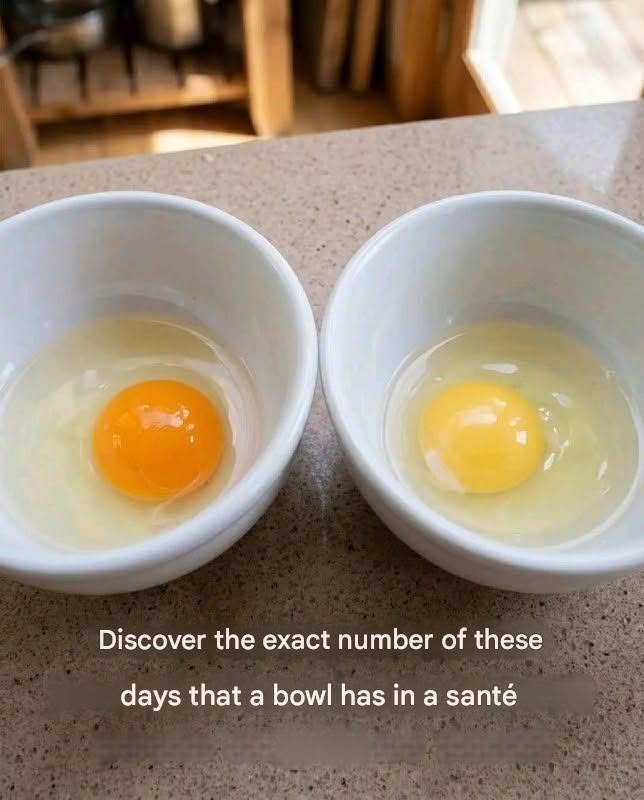
Xanthophylls are found in dark green vegetables such as spinach, kale, and cabbage, as well as zucchini, broccoli, and Brussels sprouts. Omega-3 fatty acids are found in high concentrations in flaxseed and kelp, two important ingredients in my chickens’ diet.
And did you know that chickens aren’t vegetarians, regardless of what the premium carton of free-range, organically fed eggs says? Chickens are omnivores by nature, and their healthy diet includes meat, as well as mealworms, beetles, grasshoppers, earthworms, and any other animals they find in the ground. I’ve even heard of chickens hunting small rodents and snakes!
By incorporating all these sources into your chickens’ healthy diet, the nutrients they consume are transferred to their eggs and concentrated in the yolks. According to Mother Earth News, which conducted its own analysis of eggs, and another more recent study from Pennsylvania State University, eggs contain high levels of vitamins A, D, and E, plus beta-carotene and more omega-3 fatty acids.
All of this means that an egg from free-range hens is the healthiest.
And that’s one of the reasons we raise chickens, isn’t it?
So, how can we get those delicious dark orange-yellow colors from our backyard chickens?
Let your chickens roam freely and eat whatever they find on the ground to get that orange-yellow color.
Give them plenty of fresh vegetables to increase the lutein in the yolks.
The darker the green, the better; that’s why I often make a feast of edible amaranth (one of my favorite summer vegetables), kale, cabbage, broccoli leaves, and whatever else I find in my garden. If it’s winter and vegetables are scarce, you can give them alfalfa.
ADVERTISEMENT
