
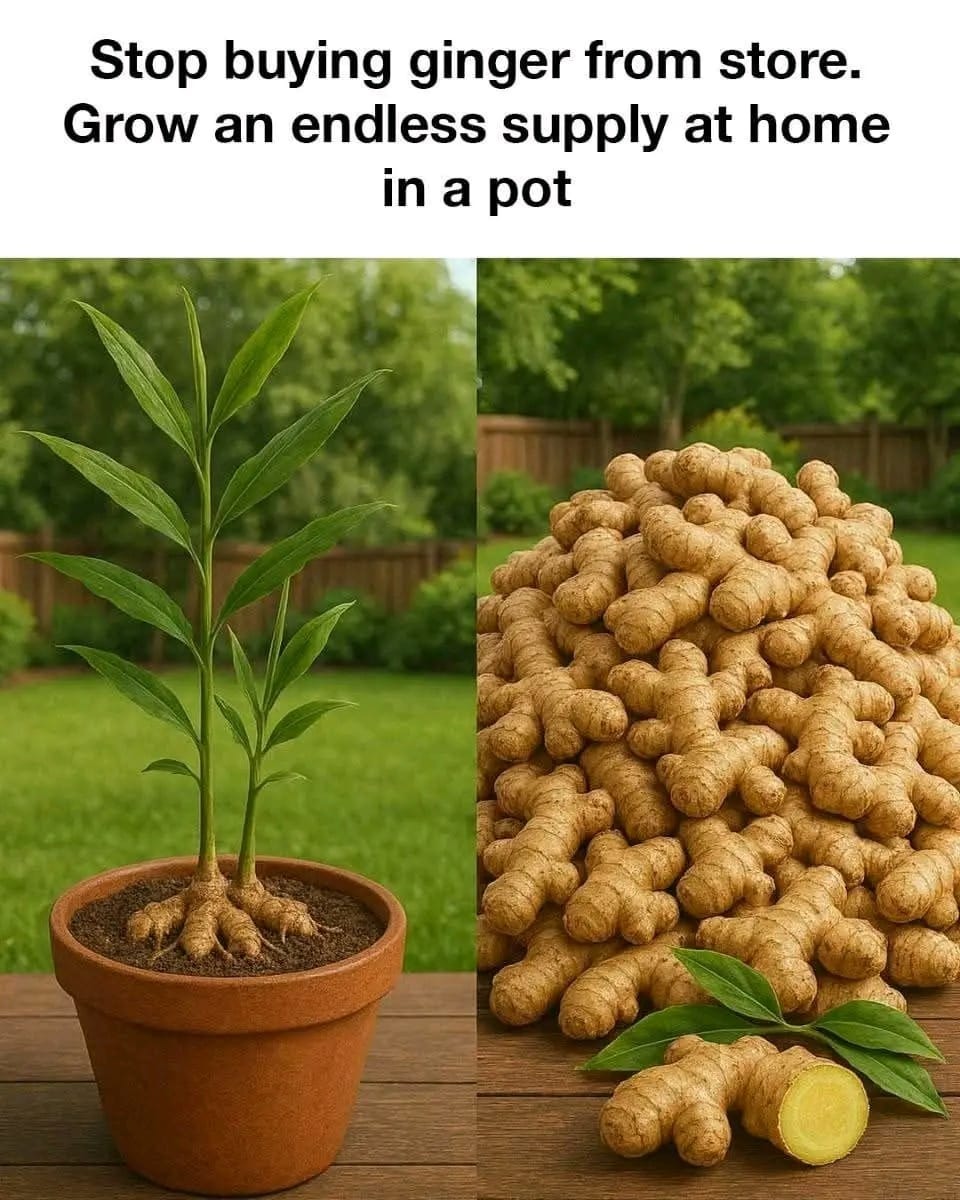
Ginger can be harvested once the plant is mature, typically 8 to 10 months after planting. Look for signs like yellowing leaves and reduced growth. Carefully dig around the base of the plant to expose the rhizomes. You can harvest the entire plant or just a portion of the rhizomes, allowing the plant to continue growing. Rinse the harvested ginger thoroughly and let it dry before use.
Troubleshooting Common Ginger Growing Problems
Common issues when growing ginger include root rot, which is caused by overwatering, and pest infestations. To prevent root rot, ensure proper drainage and avoid waterlogged soil. For pests, use natural remedies like neem oil or insecticidal soap. If the plant shows signs of nutrient deficiency, such as yellowing leaves, adjust your fertilization routine accordingly.
Tips for Ensuring a Continuous Supply of Ginger
To maintain a steady supply of ginger, practice staggered planting by starting new rhizomes every few months. This way, you can harvest ginger at different times throughout the year. Additionally, save a portion of your harvest to replant, ensuring you always have fresh rhizomes ready to grow.
Conclusion: Enjoying Your Homegrown Ginger
Growing ginger at home in a pot is a fulfilling endeavor that provides a continuous supply of fresh, aromatic ginger. Whether you’re using it to spice up your culinary creations or enjoying its health benefits, homegrown ginger is a testament to the joys of gardening. With a little patience and care, you can enjoy this versatile spice year-round, right from your own home.
ADVERTISEMENT
