
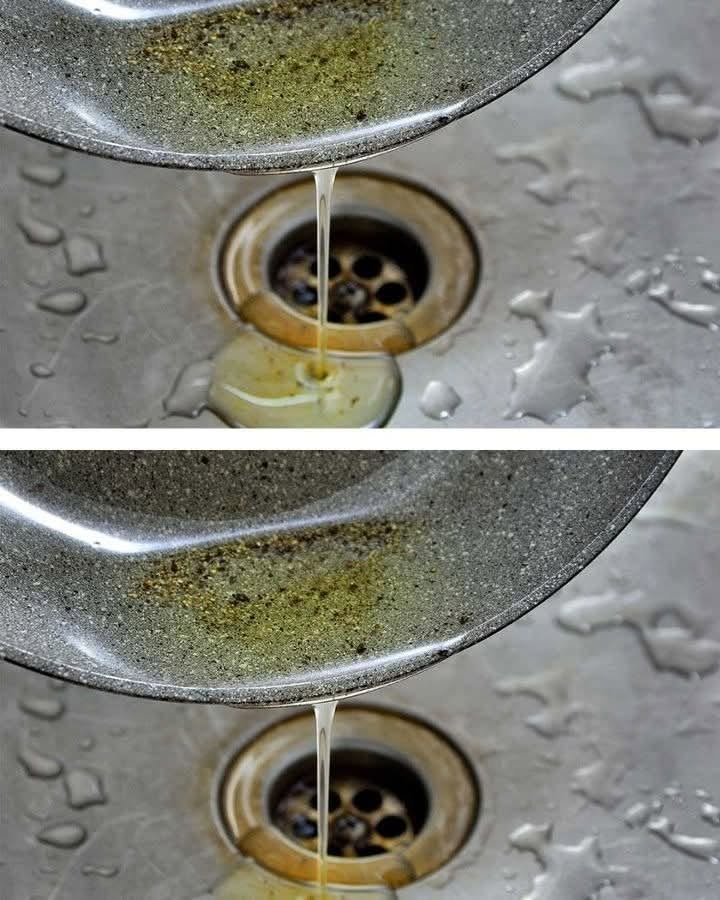
1. Clogged Pipes
Cooking oil, when poured down the sink, can cling to the insides of pipes. Over time, this can create substantial blockages, leading to poor drainage and potential plumbing issues.
2. Fatbergs
In sewer systems, oil can combine with other waste products to form “fatbergs” – large, solid masses made up of fats, oils, grease, and non-biodegradable waste materials. These can cause extensive and costly damage to municipal sewer systems.
3. Environmental Impact
Improper oil disposal can also have a detrimental effect on the environment. Sewage systems that overflow due to blockages can leak contaminants into local waterways, harming aquatic life and polluting drinking water supplies.
4. Wildlife Harm
see next pageWhen oil makes its way into natural water bodies, it can coat the feathers or fur of wildlife, affecting their insulation and buoyancy. This can have fatal consequences for animals exposed to polluted water.
5. Costly Repairs
The labor and expense associated with unclogging pipes and repairing damaged sewer systems can be significant. Preventative measures, like proper oil disposal, can save homeowners and municipalities a lot of money in the long run.
Proper Methods for Disposing of Cooking Oil
1. Reusing Oil
If the oil is still relatively clean after use, it can be strained and stored for future cooking. This method reduces waste and gets more use out of your cooking oil.
2. Sealed Containers
Pour used oil into a sealable container, such as an old jar or bottle, and dispose of it in the trash. This keeps it out of the plumbing system and landfill.
3. Recycling Programs
ADVERTISEMENT
