
1. Appearance and Architectural Style
One of the biggest differences between curved and straight grilles lies in how they look.
Straight grilles tend to be simple, linear, and minimalistic. They create a clean, structured appearance that fits modern, industrial, or utilitarian architecture. Homes that favor sharp lines and geometric shapes often pair well with this style.
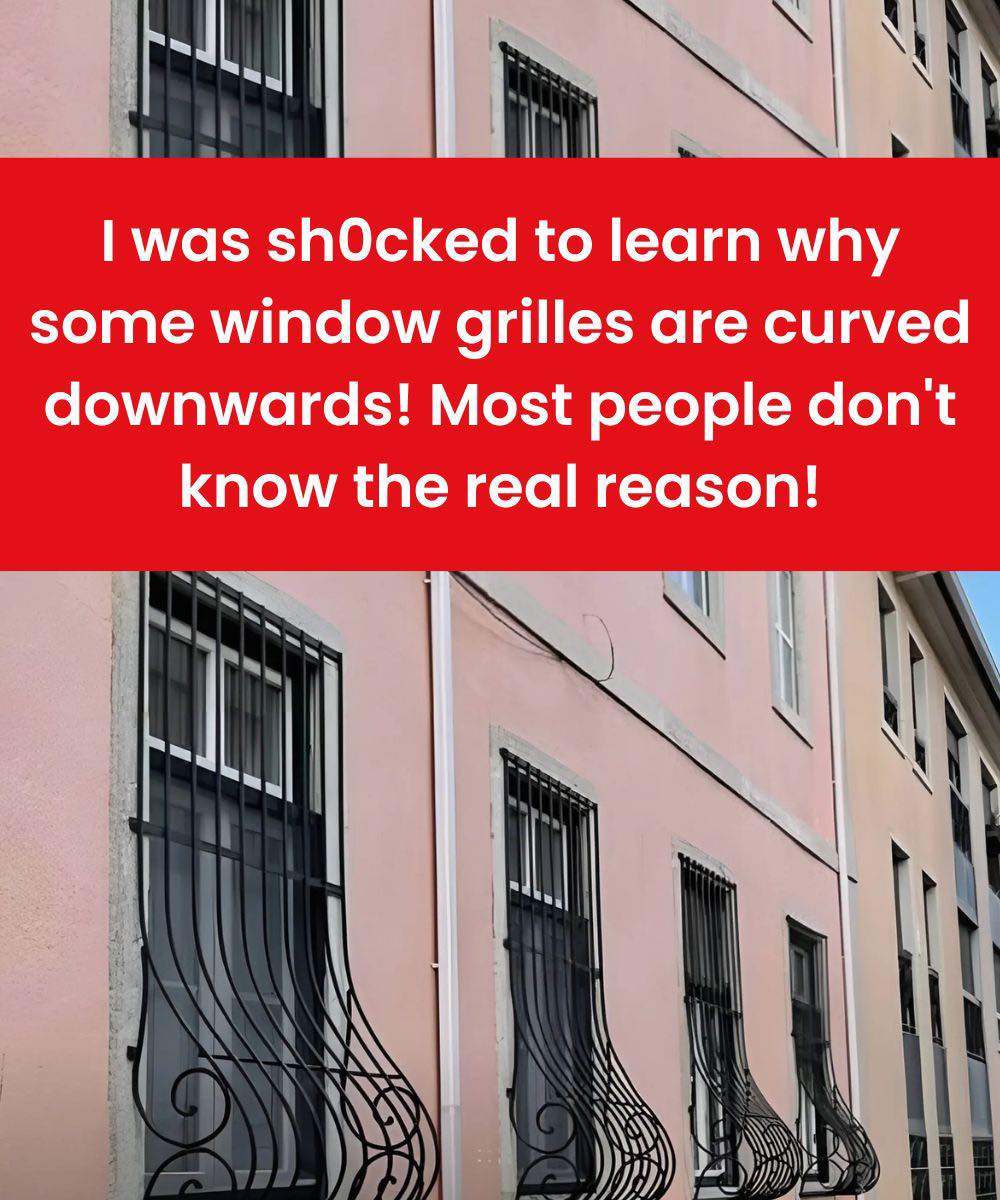
Curved grilles, on the other hand, offer a softer and more decorative aesthetic. Their outward-bowing shape creates depth and adds visual interest, giving homes a slightly European, vintage, or Mediterranean feel. Many homeowners prefer curved grilles because they avoid the “prison bars” look and give the building a friendlier, more inviting character.
2. Space and Functionality
Function is another major factor.
Straight grilles sit close to the window frame, which means they don’t offer extra usable space. They simply act as a security barrier.
Curved grilles extend outward, providing a small balcony-like area. This extra space can be used to place plants, hang small decorative items, or simply allow better ventilation without feeling too enclosed. For homes with narrow facades or limited outdoor space, this added “micro balcony” becomes surprisingly useful.
3. Ventilation and Natural Light
Because straight grilles are flat and positioned directly against the window, they may slightly limit airflow, especially if the bars are dense.
Curved grilles allow air to circulate more freely due to the increased depth and open design. They also let in more natural light because the curved shape minimizes shadow lines on the glass. This is particularly beneficial for older homes or small rooms that need better light and airflow.
ADVERTISEMENT
