
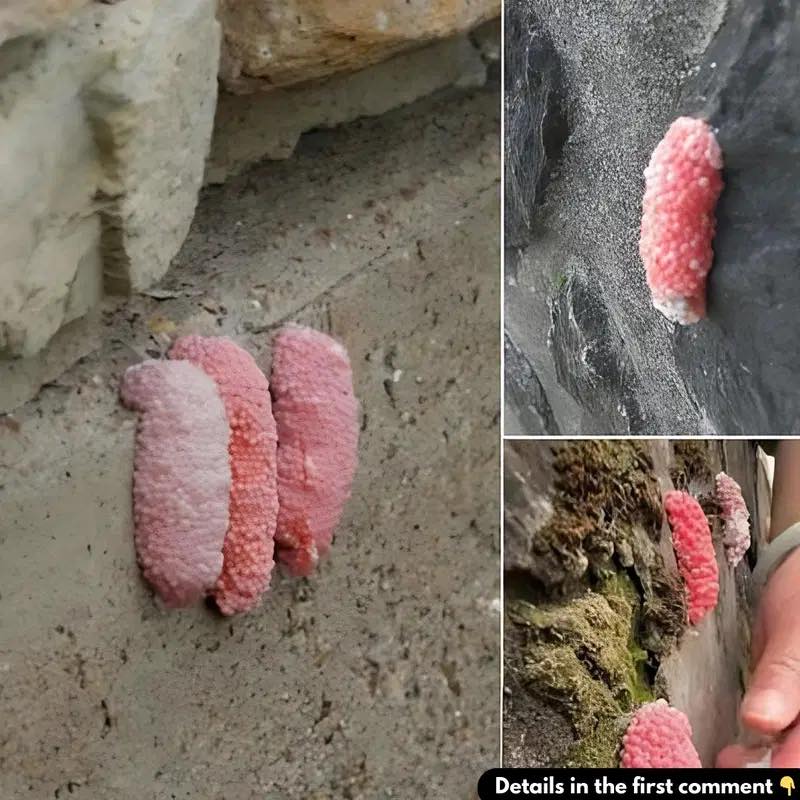
Why Are Apple Snails So Invasive?
Apple snails are classified as one of the world’s top 100 most invasive exotic species. They own an astounding ability to adapt, reproduce, and thrive in various environments, thanks in part to global warming. Originally confined to the warm, humid areas of South America, they have since spread to North America, Europe, and Asia, where they are now well-established in several countries.
These snails not only blend into new environments; but they dominate them. Apple snails are voracious eaters, consuming a wide range of plants. In regions like Southeast Asia, where they were introduced in the 1980s, apple snails are notorious for devastating rice fields, causing significant agricultural losses. Given their rapid reproduction and resilience, they can easily outcompete local species for resources, leading to a loss of biodiversity.
Apple Snail Eggs: The Tell-Tale Signs of an Invasion
The clusters of pink eggs laid by apple snails are one of the most visible indicators of their presence. These eggs are typically found on leaves, branches, and other elevated surfaces near water, giving them the best chance to survive and hatch. The bright coloration acts as a warning sign for birds and other potential predators, as apple snail eggs contain toxins that make them less appealing.
When you spot these eggs, it’s important to act quickly. Each cluster of eggs has the potential to produce hundreds of snails, and once they hatch, they can quickly spread and start causing damage. In countries where apple snails have become established, local authorities often encourage residents to report any sightings of these eggs to help control the spread.
ADVERTISEMENT
